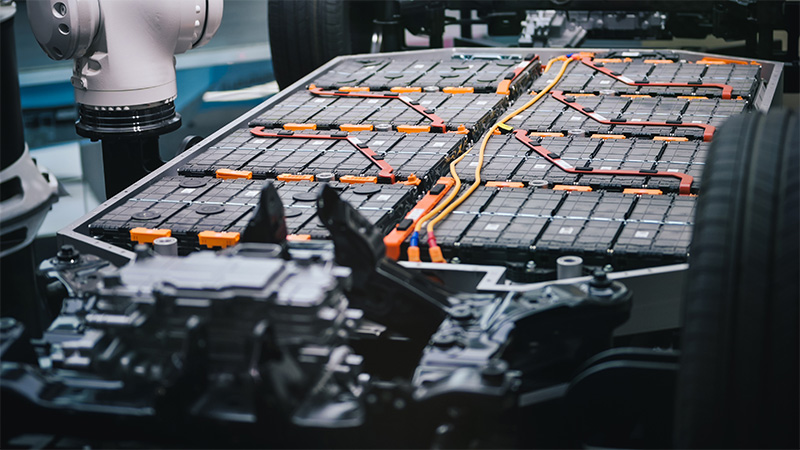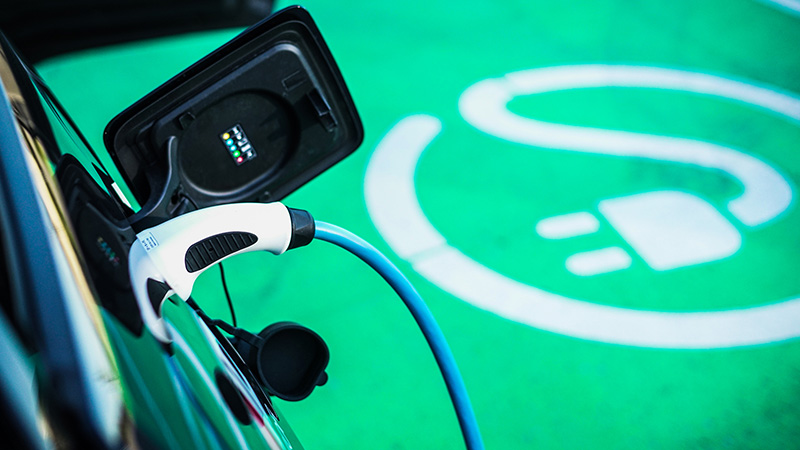
Large batteries are becoming increasingly important in the New Zealand energy landscape as we change the way we power our vehicles, homes, and businesses. With this transition comes the need to properly manage them at their end of life.
Battery Stewardship Aotearoa is the evolution of the Battery Industry Group (B.I.G) as the focus shifts towards the implementation of an all-of-industry product stewardship scheme, says Dominic Salmon of 3R Group, the Battery Stewardship Aotearoa project managers.
“The purpose of B.I.G was to design a product stewardship scheme, which has been achieved. The focus now with Battery Stewardship Aotearoa is driving work forward to the point of implementing the scheme,” says Dominic Salmon of 3R Group, the Battery Stewardship Aotearoa project managers
He points out that the number of large batteries in New Zealand is growing rapidly and will quickly. “These are valuable pieces of technology made from valuable and often rare materials, so a solution which means they retain their value for as long as possible is essential. This is what Battery Stewardship Aotearoa is working towards,” Dominic says.
Thinking ahead
B.I.G formed in 2019 when stakeholders from transport, energy, technology, recycling, and mobility sectors came together to design a national product stewardship scheme for large batteries.
This preempted e-waste being declared a priority product under the Waste Minimisation Act 2008, in 2020, which triggered the requirement for a regulated product stewardship scheme.
“B.I.G was formed by those who had environmental and safety concerns about end of life batteries. With the increase in battery use, there continues to be growing interest to ensure these batteries do not become a problem,” Dominic says.
Work to date
In 2020 the group submitted its first milestone report, which covers background such as research on the New Zealand context for battery stewardship, international schemes, and the New Zealand value chain for large batteries.
Second and third milestone reports, published in 2021, looked at potential scheme costs, consumer research, import/export barriers, stakeholder consultation, and proposed scheme design, among other areas.
“Importantly, in 2023, we submitted the design for a product stewardship scheme for large batteries to the then Ministry for the Environment (now Ministry for Cities, Environment, Regions, and Transport), which was a major step forward,” Dominic says.
In 2022 governance of B.I.G moved to Auto Stewardship New Zealand, which is the product stewardship organisation for Tyrewise, the highly successful regulated product stewardship for end-of-life tyres.
“Work is also progressing in a number of areas, such as a stocktake of non-EV large batteries, the development of a mass balance methodology, battery traceability that includes a battery passport system, and an in-depth picture of the different battery types in the New Zealand market which fall in the scope of the scheme,” Dominic says.
Into the future
On 13 November this year B.I.G transitioned to Battery Stewardship Aotearoa as the scheme moves toward the delivery phase, expanding its stakeholders across a wider cross section of organisations and people, Dominic says.
“Recognising that our application has been caught up with the amendments to the waste regulation conversation, we will now move to look for sponsors to ensure the scheme is ready to activate. This is a strategic opportunity for organisations to lead from the front.”